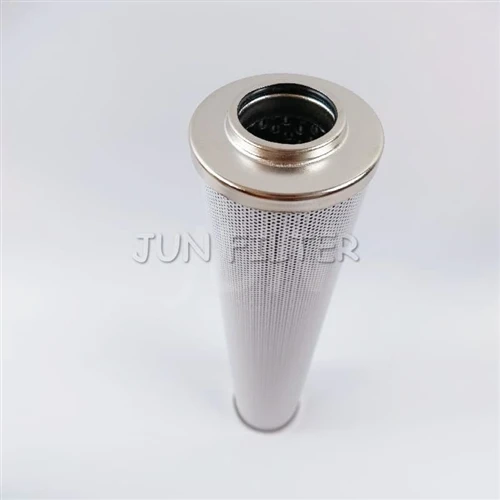
The current patent innovations in filter element technology mainly focus on two major areas: materials and structure:
1. Performance innovation of filter materials
Application of nanomaterials: This is one of the most cutting-edge directions. Introducing nanobubbles during the filter membrane preparation process can optimize the pore structure, significantly improving water flux and filtration efficiency. Additionally, nanofibers (prepared through techniques such as electrospinning) have a high specific surface area and are highly functionalizable, making them highly potential for efficient adsorption (such as removing formaldehyde and heavy metals).
Surface and composite modification: By modifying the surface of basic filter materials (such as glass fibers), impurities can be controlled to be released and the adsorption capacity for specific pollutants can be enhanced. Composing different performance materials (such as activated carbon and fibers) into a single structure is also a mainstream solution for achieving multi-functional filtration.
2. Optimization of filter element structure
Improving space utilization: By improving folding structures (such as polygonal shells, optimizing pleats) and designing new support frameworks (such as I-shaped sections), the maximum filtration area and pollutant-capturing capacity can be maximized within a limited volume while maintaining structural stability.
Longevity and convenience: Aimed at reducing the total cost for users. For example, designing self-cleaning filter elements (cleared online by brushes or reverse water flow), and developing anti-pollution structures that are easy to clean and reduce clogging.