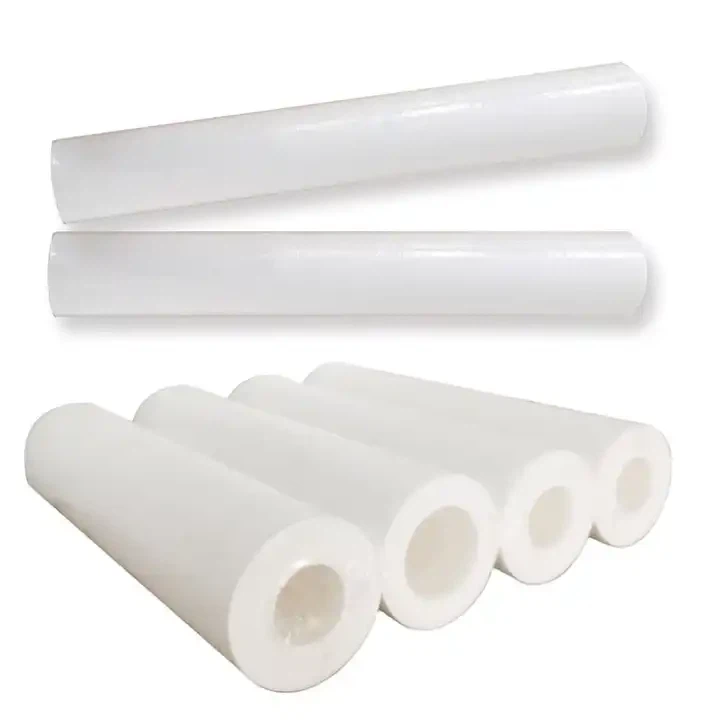
The core processes generally employ robots and mechanical arms to replace human labor. For instance, the assembly of automotive filter elements can achieve modular and flexible production.
Highly integrated micro-factories are at the cutting-edge of technology. They can automatically complete all the processes from material feeding, sewing/welding, assembly to quality inspection.
Deep digitalization and visualization
The widespread application of MES (Manufacturing Execution System) enables real-time monitoring of production status through data dashboards.
Integrating 5G and Internet of Things technologies, a digital factory is constructed to achieve transparent command and dispatch throughout the entire process.
Advanced Quality Inspection and Process Control
Integrating a machine vision system for high-precision positioning, appearance inspection, character recognition, etc.
Through sensors and data collection, the entire process can be monitored and the data can be traced, ensuring stable quality.
Flexible and networked services
The production line has the ability to be quickly adjusted, enabling it to meet the personalized demands of small batches and multiple varieties at a low cost.
Beyond the production itself, it is developing towards an industrial internet platform, providing data services such as remote monitoring and predictive maintenance.
The core benefits brought about
The intelligent transformation has brought about a multiplicative effect for enterprises: production efficiency has significantly improved (generally by over 30%, some even doubling); labor costs have been greatly reduced (the use of personnel on specific production lines can be halved); the product defect rate has significantly decreased (digital management has reduced it by over 70%); at the same time, the flexibility and traceability of production have also been greatly enhanced.
Future Trends
In the future, filter cartridge intelligent manufacturing will tend to be more platform-based and service-oriented, that is, providing full life cycle management through the industrial internet platform; at the same time, artificial intelligence will also play a greater role in process optimization and predictive maintenance.