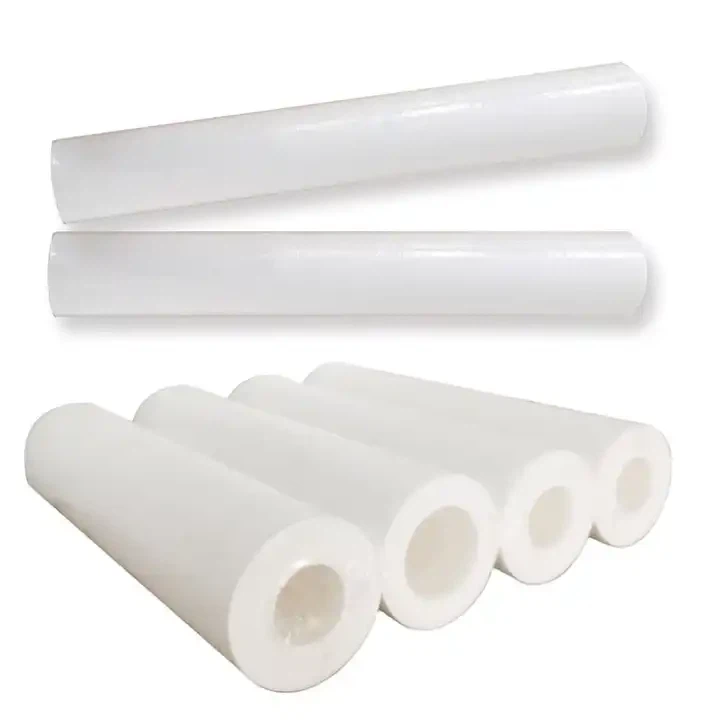
The filtration effect of water treatment filter elements varies greatly depending on the type of filter element and filtration precision. From coarse filtration to fine filtration, it can remove various impurities ranging from silt to heavy metals.
Key performance indicators: Focus on filtration accuracy (in micrometers, the smaller the number, the more precise), removal rate of specific pollutants (such as residual chlorine, heavy metals), and rated net water volume (which determines the service life).
Filter core combination is the norm: a water purifier is usually composed of multiple filter cores, such as "PP cotton + activated carbon +RO membrane", which perform their respective functions through staged filtration to achieve the best effect.
At present, water treatment filter elements are developing in the directions of integration (such as combining ultrafiltration with activated carbon) and intelligence (monitoring the status of filter elements through the Internet of Things).
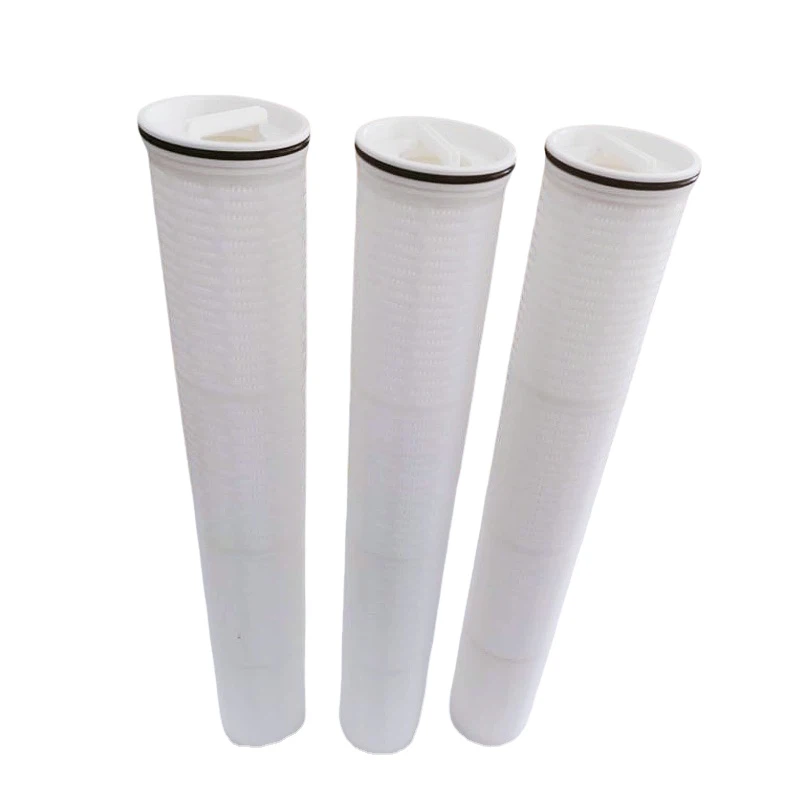
During use, it is essential to pay attention to regular replacement, especially for the adsorptive activated carbon filter core. Once saturated, it may cause secondary pollution. Although washable filter elements (such as ceramic and ultrafiltration membranes) can extend their lifespan, their cleaning effect is limited and they still need to be replaced eventually.
In general, there is no such thing as the "best" filter element, only the "most suitable" one. If you could tell me your main water usage scenarios (such as direct drinking at home, kitchen water, and whole-house water purification) and your core demands for water quality (such as removing scale, improving taste, and ensuring safety), I can offer you more specific suggestions for choosing filter elements.